

Grand casino crash games
Introduction
I look at crash games as one of the clearest tests of how a casino structures fast, decision-driven play. They are not built around long bonus rounds, dealer interaction, or deep table-game strategy. The whole point is speed, timing, and the player’s ability to decide when enough profit is enough. That is why a dedicated page about Grand casino crash games makes sense on its own: this format creates a very different experience from slots, roulette, Grand Casino blackjack practical player guide, poker, or live tables.
For players in Australia, the practical question is not just whether Grand casino lists a few crash titles somewhere in the lobby. What matters more is how visible the category is, how easy it is to access, whether the game selection feels intentional rather than token, and whether the interface supports the quick rhythm that crash games demand. In my view, that is the right way to judge this section: not by marketing labels, but by how it works in real use.
On this page, I focus strictly on the crash games side of Grand casino. I am not treating it as a full casino review. Instead, I explain what this category means on the platform, how it is usually presented, how it differs from other gaming sections, and what a player should realistically expect before staking money on a multiplier that can end in seconds.
What crash games mean at Grand casino
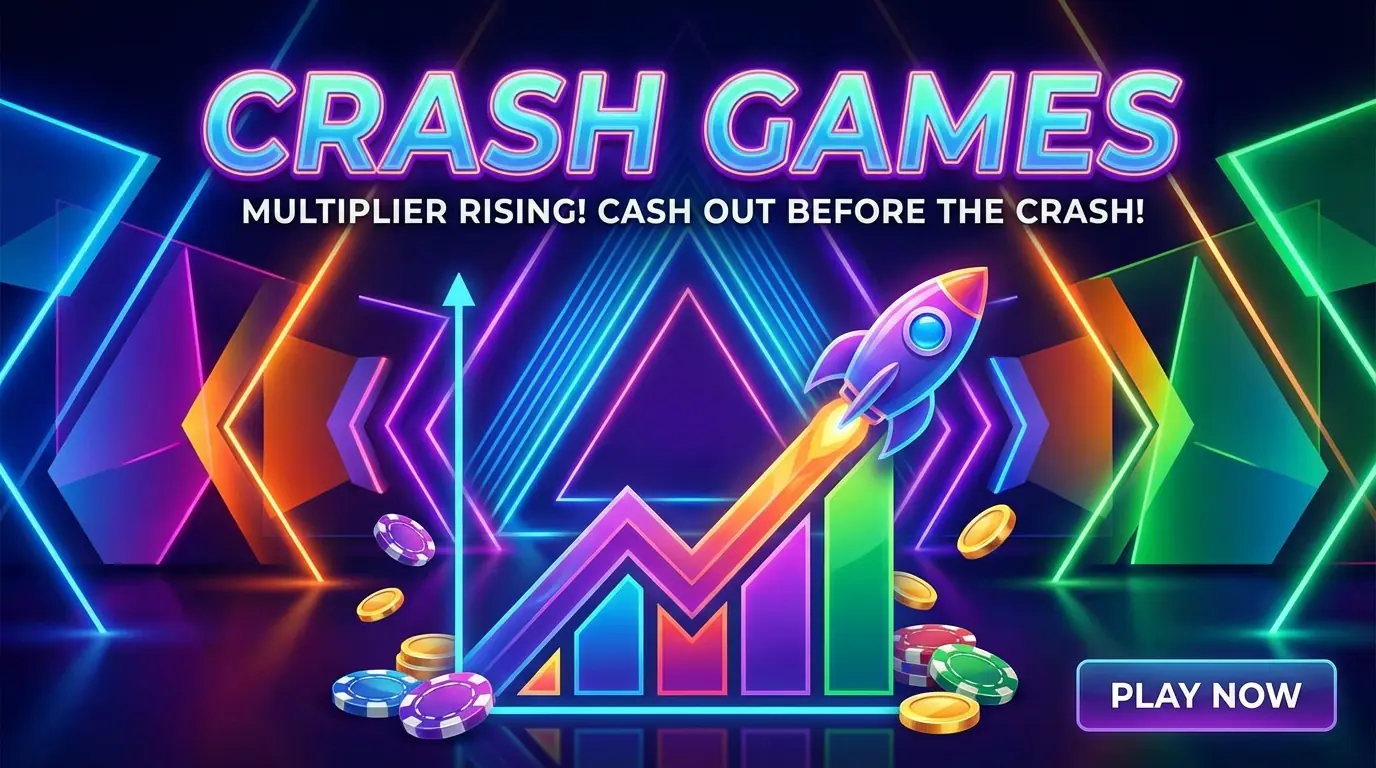
At Grand casino, crash games should be understood as short-round titles built around a rising multiplier. The basic mechanic is simple: a round starts, the multiplier climbs, and the player tries to cash out before the round crashes. If the game crashes first, the stake is lost for that round. This sounds straightforward, but in practice it creates a very specific kind of pressure that is different from almost every other casino category.
The main appeal is not visual complexity. Crash games usually rely on a compact interface, visible multipliers, fast round turnover, and immediate result feedback. They are closer to a reaction-and-timing product than to a traditional slot session. Even when the design includes themed graphics, the real engine of the experience is the risk curve: stay in longer for a bigger potential return, or leave earlier for a smaller but safer result.
For Grand casino, the value of offering crash games lies in filling a gap between casual RNG play and more involved table sessions. A player who does not want to commit to long slot spins or strategic card play may find crash games a cleaner, more direct format. That said, this section only becomes genuinely useful when the site presents it in a way that supports quick discovery and smooth round entry.
Does Grand casino have a crash games section and how developed is it?
In practical terms, players should expect one of two common structures at Grand casino. The first is a dedicated crash games category in the games menu or lobby filters. The second is a broader instant games or arcade-style section where crash titles sit alongside mines, plinko-style games, dice, and other short-cycle products. From a user-experience perspective, both models can work, but they do not feel the same.
If Grand casino gives crash games their own visible category, that usually signals that the section has enough weight to be browsed intentionally. It becomes easier to compare titles, identify providers, and decide whether the platform treats crash as a meaningful vertical rather than a side feature. If, on the other hand, crash games are buried inside a mixed instant-games menu, the format may still be available, but the section feels less developed and less central.
What I would consider a healthy level of development for this category includes:
- clear lobby filtering for crash or instant games;
- more than one provider or more than one crash-style title;
- stable loading on desktop and mobile;
- transparent stake controls and auto cash-out options;
- game pages that are not hidden behind unrelated slot sorting.
That last point matters more than many players expect. A casino can technically “have” crash games while still making them inconvenient to find. In that case, the section exists, but it is not truly developed. For Grand casino, the real test is whether a player interested in fast multiplier games can reach them in a few clicks and understand the available options without digging through the wider game library.
How the crash format is usually structured on the platform
Where crash games are available at Grand casino, the format is typically built around compact round cycles. The player chooses a stake, enters the round, watches the multiplier rise, and either cashes out manually or relies on a preset automatic cash-out level. After the round ends, the next one begins quickly. This short loop is the defining feature of the category.
In many cases, the interface includes a few standard controls:
| Feature | Why it matters in crash games |
|---|---|
| Stake selector | Lets players control exposure per round, which is essential because rounds resolve quickly. |
| Manual cash-out | Gives direct control over timing and is central to the format’s appeal. |
| Auto cash-out | Useful for players who want discipline and less emotional decision-making. |
| Round history | Shows previous outcomes, though it should not be mistaken for a predictive tool. |
| Fast loading interface | Important because delay damages the whole experience in a time-sensitive game. |
What makes this structure work is clarity. In slots, a player can tolerate a few extra clicks or a heavier visual package because the pace is slower and the spin itself is mostly passive. In crash games, every unnecessary delay stands out. If Grand casino handles this category well, the interface should feel immediate and readable, with no confusion about when a round starts, how cash-out works, or what the current multiplier means.
I would also pay attention to whether the games offer autoplay-style convenience through repeated betting or auto cash-out settings. These tools do not make crash games safer, but they do make the experience more manageable for players who want consistency instead of impulsive in-round decisions.
How crash games differ from slots, live casino, roulette, blackjack and poker
This is the point many players underestimate. Crash games may sit in the same casino lobby as slots and tables, but they feel fundamentally different in use.
Compared with slots, crash games involve much more direct timing input. In a slot, the player chooses the stake and presses spin; after that, the result is effectively passive. In crash, the result depends not only on entering the round but also on when the player exits. That creates a stronger sense of agency, even though the underlying outcome is still governed by game rules and chance.
Compared with live casino games details, crash games are much less social and far less theatrical. There is no dealer presentation, no table atmosphere, and no waiting for a shoe, spin, or card reveal sequence. Crash is stripped down. It is designed for speed, not immersion.
Compared with roulette, the difference is in rhythm and control. Roulette has a familiar betting board and a fixed event resolution. Crash offers a continuously rising multiplier and a moving decision point. The tension comes from deciding when to leave, not from waiting to see where a ball lands.
Compared with blackjack, crash games do not reward analytical play in the same way. Blackjack at least gives room for structured decision-making. Crash is more about risk management and emotional discipline than mathematical line selection during a hand.
Compared with poker, the gap is even wider. Poker is a contest format shaped by table dynamics, betting patterns, and skill depth. Crash is a fast solo-style product focused on timing and tolerance for volatility.
| Category | Main player action | Typical pace | Core appeal |
|---|---|---|---|
| Crash games | Cash out before the crash | Very fast | Timing, tension, quick decisions |
| Slots | Spin and wait | Fast to medium | Features, themes, bonus potential |
| Live casino | Bet on dealer-led rounds | Medium | Real-table atmosphere |
| Roulette | Choose bet positions | Medium | Simple structure, fixed outcomes |
| Blackjack | Make hand decisions | Medium | Decision-making within clear rules |
| Poker | Compete strategically | Slow to medium | Depth, reads, long-form skill |
For Grand casino players, this distinction matters because crash games should not be chosen as a substitute for slots or tables unless the player actually wants this faster, more reactive style. The category is not automatically better. It is simply different.
Which crash games may be worth attention
The most interesting crash games at Grand casino are usually the ones that keep the mechanic clean and readable. In this category, complexity is not always a strength. A good crash title gives the player immediate visibility of the multiplier, clear cash-out controls, stable round timing, and enough betting flexibility to suit both small-stake and more aggressive play.
Titles with these traits tend to stand out:
- simple multiplier-based crash games with obvious round flow;
- games that support auto cash-out for controlled play;
- versions with clean mobile optimisation;
- titles from known instant-game providers with reliable interface logic;
- games where stake adjustment is quick and not hidden in extra menus.
If Grand casino includes only one or two crash titles, the section may still be usable, but it will feel narrow. If it offers several variants, players can choose based on volatility, visual style, and control options. That is where the category becomes more than a novelty. It starts to serve different preferences rather than just checking a box in the game library.
How to start playing crash games at Grand casino
From a practical point of view, getting started should be simple. The player enters the crash or instant-games section, selects a title, sets a bet amount, and decides whether to use manual or automatic cash-out. The real preparation, however, happens before the first round begins.
I always recommend treating the first few rounds as observation rounds, even if you are already familiar with crash games elsewhere. The reason is that interface details vary. Some titles begin the next round almost immediately. Others leave a short pause. Some place auto cash-out controls in a prominent position; others tuck them into a side panel. Those small differences affect comfort and reaction speed.
Before committing to a regular session at Grand casino, a player should confirm:
- the minimum and maximum stake levels;
- whether auto cash-out is available;
- how quickly rounds restart;
- whether the game runs smoothly on the chosen device;
- how easy it is to track balance changes over repeated rounds.
Crash games can drain a bankroll faster than many players expect, not because each round is large, but because rounds are short and repetition is effortless. That is why the setup stage matters more here than in many other categories.
What players should check before launching a crash game
There are several practical checkpoints that matter specifically for crash games at Grand casino. These are not abstract recommendations; they directly affect the quality of play.
First, check the rule panel or game info. Players often skip this because crash games look simple, but details such as payout logic, auto cash-out behaviour, and technical limits matter. If the game has any special conditions around interrupted rounds or connectivity issues, that should be understood in advance.
Second, assess the pace honestly. Some players enjoy high-frequency rounds for ten minutes and then find the format mentally exhausting. Crash games create constant micro-decisions, and that can become tiring faster than a slot session.
Third, look at the stake relative to your intended session length. A small bet can still become expensive over many rounds. If Grand casino makes re-entry very quick, discipline becomes more important, not less. Those comparing loyalty perks can weigh this section against Grand Casino slots table games and live casino options.
Fourth, test mobile usability if you plan to play on a phone. In this category, button placement and response speed matter. A cluttered or delayed mobile interface is a real weakness, because timing is central to the game.
Finally, remember that previous round history is not a forecasting tool. Many crash interfaces show a sequence of past multipliers. That can be useful as a visual record, but it should not be treated as a pattern engine. Players who start chasing imagined trends usually lose control of the session.
Tempo, round mechanics and overall user experience
The strongest reason to choose crash games at Grand casino is the tempo. This category delivers one of the quickest feedback loops in the casino environment. You place a bet, the multiplier rises, you make a call, and the result is known almost instantly. For players who want high engagement without navigating dense features, that can be genuinely attractive.
But the same tempo is also the main source of risk. The faster the rounds, the easier it is to overplay. In slots, there is often a natural pause while animations finish. In live casino, the dealer and table flow create breathing space. In crash games, especially well-optimised ones, those pauses are minimal. A player can move through many rounds in a short session without fully noticing how much has been wagered.
From a user-experience perspective, Grand casino needs to get three things right for this category to feel strong:
- fast and stable game loading;
- clear display of the current multiplier and cash-out status;
- easy control of stake and auto cash-out settings.
Crash games move at a fast pace, so the interface quality becomes obvious within a few rounds. A well-built layout keeps the action fluid and responsive, while a cluttered one turns every round into a struggle. Players typically expect a clear multiplier chart, an obvious cashout button, and a live round history. When those elements are missing, the game feels clumsy and the tempo suffers. Most modern crash titles run rounds every few seconds, which leaves little room for confusing controls or delayed feedback. The best examples keep the betting panel compact and the chart readable at a glance, so the player can focus on timing rather than navigation.
Are Grand casino crash games suitable for beginners and experienced players?
In my view, crash games at Grand casino can suit both groups, but for different reasons.
Beginners may like the category because the rules are easy to grasp. There is no need to learn a paytable full of symbols, card values, or complex side-bet structures. The central decision is simple: cash out early or stay in longer. That makes entry easy. The danger, however, is that simplicity can create false confidence. New players often assume that easy rules mean low risk, and that is not true here.
Experienced players may appreciate crash games for the opposite reason. They know the format is not about deep strategic mastery, so they focus on bankroll control, session limits, and disciplined exits. For them, the appeal is efficiency: fast rounds, direct mechanics, and no unnecessary presentation.
Who is likely to enjoy this section most at Grand casino?
- players who prefer short, high-focus sessions;
- users who like active decision points rather than passive spins;
- mobile players who want quick game access;
- people comfortable with volatility and rapid outcomes.
Who may find it less suitable?
- players looking for long-form entertainment and feature depth;
- users who prefer slower, more social casino formats;
- anyone prone to chasing losses in fast cycles;
- players who want a strong sense of strategic control similar to poker or blackjack.
Strong points of the crash games section
If Grand casino supports this category properly, its strengths are quite clear. First, crash games offer one of the most direct and accessible formats in the lobby. A player can understand the mechanic within minutes. Second, the pace is excellent for users who do not want to sit through long animations or table procedures. Third, the category works well on mobile when implemented cleanly, because rounds are short and controls are compact.
Another strength is the sense of involvement. Even though the game logic is simple, the act of choosing when to cash out creates more engagement than many basic slot spins. This is why crash games often appeal to players who find standard RNG play too passive but do not want the complexity of poker or multi-decision table games.
There is also practical value in auto cash-out tools. For disciplined players, these settings can help create a more structured session and reduce impulsive overextension during rising multipliers.
Weak points and debatable aspects
Crash games also have clear limitations, and I think it is important to state them plainly. The first is repetition. Even a well-designed crash title can feel mechanically narrow after a while. The core loop does not change much, so players looking for variety may return to slots or live games fairly quickly.
The second is emotional pressure. Because the multiplier is visibly rising, players often feel tempted to wait “just a bit longer.” That tension is the category’s selling point, but it is also the reason many sessions become undisciplined.
The third issue is category depth. If Grand casino only offers a small number of crash titles or hides them inside a generic instant-games section, the practical value of the category drops. It remains playable, but not especially robust.
There is also a perception issue. Some players mistakenly assume that because crash games involve a timing decision, they can reliably outplay the format through instinct alone. In reality, the category rewards discipline more than intuition. That is an important distinction.
Practical advice before choosing crash games
My advice for players considering Grand casino crash games is simple and practical.
- Start with small stakes until you understand the exact interface and pace.
- Use auto cash-out if you know you tend to overstay in rounds.
- Set a session budget before you begin, not after a few losses.
- Do not treat round history as evidence of what “should” happen next.
- If the game feels too fast on mobile, switch to desktop or reduce session length.
- Choose crash games for their speed and tension, not because you expect them to behave like slots or table games.
The best way to approach this category is to see it as a specialised format. It is not a universal replacement for other casino sections. It is a focused product for players who enjoy quick decisions and are comfortable with a high-tempo betting rhythm.
Final verdict
Grand casino crash games can be worthwhile if the platform gives the category proper visibility, stable performance, and enough game choice to feel intentional. When those conditions are met, crash games add a distinct layer to the site: faster than slots in decision pressure, simpler than table games in rules, and more immediately engaging than many passive RNG formats.
At the same time, this is not a category I would recommend blindly to everyone. Its strengths and weaknesses come from the same source: speed. For players who like short rounds, direct control, and a compact interface, the section can be genuinely appealing. For those who prefer slower pacing, more strategic depth, or richer entertainment layers, crash games may feel limited or too intense.
My overall assessment is that Grand casino crash games are most valuable as a targeted option rather than a universal highlight. If you understand the tempo, respect the volatility, and use the control tools properly, this section can be one of the more efficient and engaging parts of the platform. If you expect it to behave like slots, roulette, blackjack, or poker, it will probably feel like the wrong fit from the start.
FAQ
How does a crash game round start and where does the multiplier appear?
A crash round begins when the game lobby loads and the next round timer starts. The live multiplier climbs from 1.00 and stays visible during the flight. Auto cash-out and manual cash-out options affect when a player locks in their result.
What should be checked if a promo code is entered but the crash game still does not activate?
Promo code rewards and bonus activation may require a specific deposit status and eligibility. If a code is rejected, the cash balance may not change for real-money play. Terms tied to the offer, including wagering rules, should be reviewed on the reward details before starting a crash session.
A player clicks launch but the crash game does not load or shows a blank screen. What steps help first?
A refresh of the game lobby often resolves temporary loading issues. Clearing cache and trying again can fix stalled sessions. If the problem continues, signing out and back in on the official casino site can refresh the session, then the crash game should be launched once more.
What is the main rule players should remember before cashing out on a crash multiplier?
Cash-out must happen before the round crashes, or the bet ends at the crash point. Once cashed out, the locked-in result remains for that round. Reaction time matters because multipliers can change very quickly.
How can a player switch from a crash game on one device to another without losing balance settings?
Logging in to the same account on the new device keeps balance and bet settings linked to the account. After signing in, reopen the crash game lobby and confirm whether auto cash-out values are still set as expected. If values do not carry over, re-enter the cash-out multiplier before starting the next round.
Is there a difference between crash games and Plinko in terms of play speed and outcomes?
Crash games focus on a single fast multiplier track where timing and cash-out decisions decide the result. Plinko involves balls dropping into lanes with outcomes tied to the physics path and randomness. That means crash sessions are about multiplier speed, while Plinko revolves around the path to the landing zones.
What limits or risk controls can affect crash gameplay on real-money play?
The account may have session limits, bet limits, or other casino risk controls that restrict how much can be staked in real time. These limits can also vary based on account status and responsible gambling settings. Checking the limit panel before launching a round helps avoid failed bets.
A beginner starts a crash session but cashes out too early every time. What mistake is usually causing it?
Most early cash-outs come from setting an auto cash-out value that is too low or reacting too quickly while watching the multiplier. Lower multipliers can tempt quick wins, but crash rounds reward discipline and timing consistency. Using demo mode first helps calibrate decision points before real-money play.
If a cash-out seems missed because the screen froze, what should be done immediately?
Close the game lobby and reconnect to restore the live multiplier feed. After returning, avoid starting a new bet until the round status updates correctly. Logging out and back in on Grand may also refresh the session if the connection issue persists.